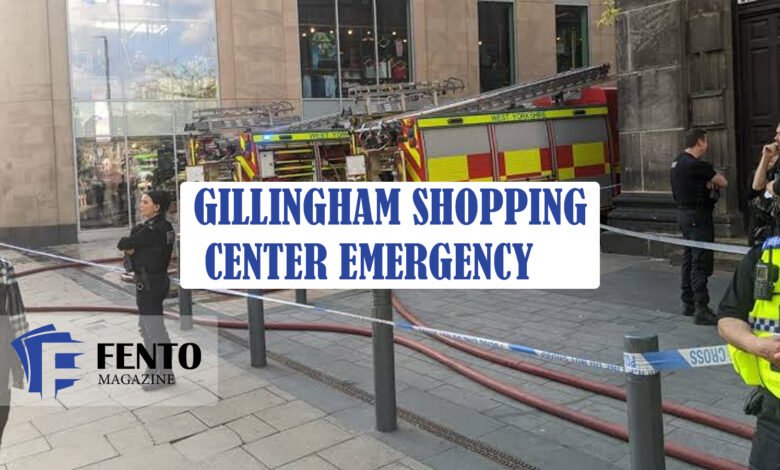
A Gillingham shopping center emergency can unfold in seconds. An alarm sounds, a crowd starts moving, or someone nearby collapses. What you do in the first minute usually matters more than anything that follows. The core habits are simple, and most take no special training.
This guide covers how to react to fires, medical emergencies, security threats, and stuck lifts in a busy retail setting. It also explains how to call for help, how to protect children and older relatives, and what to do once you are outside. It is general safety guidance for shoppers, not a report on any specific incident. Gillingham is also the name of towns in both Kent and Dorset, so the advice is written to apply to any shopping venue.
What Counts as a Shopping Center Emergency?
A shopping center emergency is any sudden event that threatens the safety of people inside a retail complex and may require evacuation, shelter, or emergency services. The most common types are fires and false alarms, medical incidents, security threats, structural or utility failures, and crowd-related dangers.
Most alarms turn out to be minor. Still, you cannot tell from the inside whether an alarm is a faulty detector or a real fire, so the safest assumption is always that it is real. Treating every alarm seriously costs you a few minutes. Ignoring a genuine one can cost far more.
Large retail buildings are designed with this in mind. They typically have marked exits, fire detection, emergency lighting, public address systems, and trained staff. Your job as a shopper is not to manage the emergency. It is to recognize it early, follow the building’s systems, and get yourself and the people with you to safety.
What to Do in the First 60 Seconds
Direct answer: Stay calm, stop what you are doing, listen for instructions, and move toward the nearest safe exit. Do not stop to collect shopping, and do not go back for belongings.
Those first moments follow a rough order:
- Notice. Pay attention to alarms, announcements, smoke, shouting, or crowds moving in one direction.
- Decide. If staff or announcements give direction, follow them. If not, trust the evidence in front of you.
- Gather your group. Keep children close and make sure everyone you came with is accounted for.
- Move. Head for the nearest exit that is away from the danger, not necessarily the one you came in through.
People tend to freeze or to seek out the familiar entrance. Both habits waste time. The exit you used is not always the closest or the safest one, so looking up for the green exit signs becomes the most useful reflex you can build.
Prepare Before Every Visit
Safety in a crisis is mostly decided before it starts. A few ten-second habits make a real difference.
Learn the Exits as You Walk In
When you enter any large shopping center, look for the fire exits and note which direction they lie. Pay attention to exits that are not the main doors, such as side corridors and stairwells near cinemas or food courts. In a smoke-filled or crowded space, you will not have time to start looking from scratch.
Make a Plan With Your Group
If you are shopping with children, teenagers, or older relatives, agree on a meeting point outside the building. Choose something specific and visible, such as a particular car park section or a landmark across the street. For young children, teach them to approach a staff member or a parent with a child if they get separated. Make sure older children know your mobile number.
Prepare Your Phone
Keep your phone charged when possible and store an emergency contact where responders can find it. Many phones have an emergency information feature that shows medical details and contacts without needing a passcode. Turn on any location-sharing features you are comfortable with, since they can help family members and responders find you.
Notice Your Surroundings
Treat shopping like travel in a new place: a quick scan goes a long way. Look for staircases, exits, and the location of any defibrillator. Public access defibrillators are increasingly common in busy venues, and knowing where one sits can save time in a cardiac emergency.
How to Respond to Specific Emergencies
Different emergencies call for different responses. The general principles below reflect widely used public safety guidance in the United Kingdom, but always follow the instructions of staff and emergency services on the day.
Fire or Smoke Alarm
If an alarm sounds, leave the building by the nearest exit. Close doors behind you if it is quick and safe to do so, since closed doors slow the spread of smoke and fire. Stay low if there is smoke, because breathable air is usually nearer the floor. Do not use escalators or lifts in a suspected fire; stairs are the safer choice.
Once you are out, stay out. Fire services in the UK promote the message to get out, stay out, and call 999, and that applies to shopping centers as much as homes. Never re-enter the building to collect a bag, a phone, or a family member. Tell firefighters if you believe someone is still inside.
A Suspected Attack or Violent Incident
UK police and counter-terrorism officials promote a three-part approach known as Run, Hide, Tell. The idea is straightforward:
- Run if there is a safe route. Leave belongings behind, help others if possible, and do not stop to film or look.
- Hide if you cannot get out safely. Find a space out of sight, ideally behind a locked or barricaded door, and silence your phone completely.
- Tell the police as soon as it is safe. Call 999, stay on the line if you can, and give clear information about what you saw.
Do not confront an attacker. Do not assume you have to be a hero. Your priority is your own safety and getting accurate information to the police.
A Medical Emergency Nearby
A shopper collapsing is one of the most common emergencies in busy public places. If someone is unresponsive and not breathing normally, call 999 or ask someone else to do it. Ask a staff member or bystander to find the nearest defibrillator. Begin chest compressions if you know how, and follow the call handler’s instructions, since they can guide you step by step. Many basic first aid courses teach exactly this, and even a short course is worth taking.
Stuck in a Lift
If you are trapped, stay calm and press the emergency button or use the intercom. Do not try to force the doors open or climb out. Lifts are built to hold air and remain safe for long periods, and trained rescuers have the right tools. Reassure others inside and keep the lift’s location in mind when you speak to the operator.
Power Cut or Utility Failure
A sudden blackout in a mall is usually followed by emergency lighting. Stay put for a moment, let your eyes adjust, and wait for staff instructions. If a gas smell, loud bang, or visible damage is involved, treat it as a more serious event and evacuate.
How to Call 999 and What to Say
In the UK, dial 999 for fire, police, ambulance, or coastguard. The number 112 also works. Call handlers will ask which service you need, then ask for your location. Be as specific as possible: the name of the shopping center, the entrance or floor you are near, and any nearby store names. If you cannot speak safely, you can still call; in some situations, the system lets you signal using a keypad prompt, so listen to the instructions.
Stay on the line until told to hang up. Give facts in order of importance: what happened, where, whether anyone is hurt, and whether there is an ongoing danger. If you are unsure, say so. Call handlers prefer honest uncertainty to confident guesses.
Moving Safely Through a Crowd
Crowds create their own hazards, and a calm evacuation can turn dangerous if people panic. A few principles help:
- Walk, do not run, unless instructed otherwise. Running can cause falls that block entire corridors.
- Keep your arms close and your hands free. Do not push or pull.
- If you fall, protect your head and try to get back up quickly.
- Avoid stopping in doorways or at the bottom of stairs, where bottlenecks form.
- Keep children by the hand or in your arms, and hold on to bags only if they do not slow you down.
If the crowd is moving too fast to resist, go with the flow, angle toward the edges, and aim for an exit rather than trying to turn around.
Helping Children, Older Adults, and People With Disabilities
Some people need extra support during an evacuation. If you are with a child, keep them physically attached to you, either by the hand or on your hip. Speak simply and calmly, and explain that you are walking out together. Children who see an adult stay steady are less likely to freeze or run off.
Older adults and people with limited mobility may find stairs difficult or impossible. If you cannot get someone to an exit safely, do not abandon them. Move them to a protected area, such as a stairwell landing if available, and tell staff or emergency responders exactly where they are. Most large venues have procedures for assisting disabled visitors, and responders will prioritize those locations.
People with hearing or vision impairments may miss alarms or announcements. If you see someone who looks confused, offer help in a clear, calm way.
After You Get Out: Assembly Points and Aftercare
Once you are outside, move away from the building and any emergency vehicles. Many centers have assembly points. Staff or emergency services will usually direct you there and may take names to account for everyone. Stay with your group and do not leave the area until you have checked in or been told you can go.
If you have injuries, even minor ones, tell responders. Smoke inhalation and shock can show symptoms later, and a quick assessment can catch problems early. Contact family members to let them know you are safe, but keep calls short to preserve phone lines for emergency use.
In the following days, it is normal to feel shaken. Disturbed sleep, anxiety, and difficulty concentrating are common reactions after a frightening event. If these continue, speaking with a doctor or counselor is a sensible step.
Where to Find Reliable Information During and After an Emergency
When something happens, rumors spread quickly on social media, and early reports are often wrong. Rely on official sources first: local police and fire services, the shopping center’s own announcements, and your local council. It also helps to learn how to judge whether a website is trustworthy, and this guide on judging a website’s content offers a practical checklist. If you want to understand how emergency planning works in general, the Wikipedia overview of emergency evacuation explains the principles behind exit routes and drills. Many incidents also involve electrical faults, and a plain explanation of electrical earthing and safety basics can help you understand why such systems matter in public buildings.
Conclusion
Staying safe in a Gillingham shopping center emergency comes down to a few repeatable habits. Notice your exits when you arrive, agree on a meeting point with your group, and treat every alarm as real. When something happens, move early, leave belongings behind, and follow staff and emergency services. Use 999 when lives are at risk, and give clear, specific information when you call.
None of this requires fear. It takes a small amount of attention each time you walk into a busy building. That habit gives you and the people with you the best chance of getting out safely.
Frequently Asked Questions
What should I do first if an alarm goes off in a shopping center?
Stop what you are doing, gather your group, and leave by the nearest exit. Do not collect shopping or go back for belongings.
Is it safe to use the lift during an evacuation?
No. In a suspected fire, use the stairs. Lifts can stop working or fill with smoke, so they are not a safe escape route.
What is Run, Hide, Tell?
It is UK police guidance for violent incidents. Run if you can get out safely, hide if you cannot, and tell the police by calling 999 when it is safe.
What number do I call in a UK shopping center emergency?
Dial 999 for police, fire, or ambulance. The number 112 also connects you to emergency services.
How can I keep children safe in a crowded evacuation?
Hold their hand or carry them, stay calm, and agree on an outside meeting point in advance. Teach them to ask staff for help if separated.
Should I go back inside to get my phone or bag?
No. Once you have left the building, stay out until emergency services say it is safe. Belongings can be replaced.
What should I do if someone collapses near me?
Call 999 and ask someone to find a defibrillator. If the person is unresponsive and not breathing normally, start chest compressions and follow the call handler’s guidance.