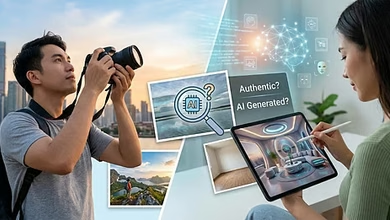
Technology is changing the way people create, edit, and share visual content. Tasks that once required professional design skills can now be explored through simple artificial intelligence tools. Whether someone wants to develop original artwork, experiment with fashion, or prepare attractive visuals for social media, AI-powered platforms offer new ways to bring ideas to life.
An AI image generator can transform a written description into a digital image, while an AI clothes changer allows users to explore different outfits by modifying clothing in photographs. These tools are useful for content creators, fashion enthusiasts, small businesses, and anyone interested in experimenting with digital creativity.
Create Original Artwork From Text
Finding the right image for a website, presentation, or marketing campaign can be challenging. Stock photos do not always match a specific idea, and creating custom graphics manually may require considerable time. An AI image generator provides another option by producing visuals based on text prompts or supported image inputs.
The process usually begins with a description of the desired result. Users can mention the main subject, background, colors, lighting, mood, and artistic style. The AI then interprets these instructions and generates an image.
For example, a food blogger might describe a beautifully arranged breakfast table near a sunny window. A business owner could request a clean product display with a modern background. An artist might experiment with fantasy landscapes or imaginative characters.
More detailed prompts generally provide better creative direction. Instead of writing “a modern office,” users could describe a bright workspace with wooden furniture, large windows, indoor plants, and natural daylight. This gives the AI more information to work with and helps narrow down the desired appearance.
Generated images can support several activities:
- Creating illustrations for blog articles.
- Developing social media graphics.
- Exploring product and branding concepts.
- Designing presentation backgrounds.
- Experimenting with different artistic styles.
Although these tools can produce impressive results, users should always review the final image. Small details, such as fingers, text, object proportions, and facial features, may sometimes appear inconsistent.
Experiment With Fashion Using an AI Clothes Changer
Fashion choices are often influenced by personal taste, comfort, and the occasion. However, deciding whether a particular color or clothing style will look suitable can be difficult without trying it first. An AI clothes changer offers a digital way to explore different outfit possibilities.
Depending on the tool, users can upload a photograph and select or describe alternative clothing. Artificial intelligence then attempts to replace the existing outfit while keeping the person’s general appearance and background consistent.
This approach can be useful in several situations.
Personal styling: People can experiment with casual, formal, traditional, or seasonal clothing styles before making fashion decisions.
Content creation: Fashion bloggers can explore different visual concepts without arranging a separate photoshoot for every outfit.
Online shopping inspiration: Shoppers can get a general visual idea of how different clothing styles might appear, although generated previews cannot guarantee the actual fit or fabric appearance.
Fashion design: Designers can test color combinations and clothing concepts before developing physical samples.
For better results, choose a clear photograph with good lighting and visible clothing. Images where the subject is facing the camera and the outfit is not hidden by other objects can make editing easier.
It is important to understand that AI clothing edits are visual approximations. They may change garment details, textures, or proportions, so they should not replace accurate product photography or real fitting when those details matter.
Combine Image Generation and Fashion Editing
Image creation and clothing modification can also complement each other. Someone planning a fashion campaign could use an AI image generator to explore backgrounds and visual themes before experimenting with outfit variations through an AI clothes changer.
A small business might use generated images during the brainstorming stage of a promotional project. Similarly, a social media creator could test several visual directions before choosing one for a final post.
This combination can make early creative planning faster and provide inspiration when the original idea is not fully developed. However, final commercial materials should be checked carefully to ensure they accurately represent the products or services being promoted.
Choose AI Tools Carefully
Not every platform offers the same features, image quality, or customization options. Before selecting a tool, consider its ease of use, supported image formats, editing controls, and export quality.
Free versions may have restrictions such as limited generations, watermarks, lower-resolution downloads, or access to fewer editing options. Checking these conditions beforehand helps users understand what they can accomplish without upgrading.
Privacy is another important consideration. Review how uploaded images are handled, especially when working with personal photographs or pictures of other people. Always obtain permission before modifying or sharing someone else’s image.
Final Thoughts
Artificial intelligence is making image creation and fashion experimentation more accessible. An AI image generator helps transform simple descriptions into original visuals, while an AI clothes changer provides an opportunity to explore different outfits without physically changing clothes.
Both technologies can support personal projects, content creation, and creative planning. By using clear instructions, selecting suitable photographs, and reviewing every result, users can make the most of AI-powered image editing while keeping their visual content useful and responsible.